
DINING
Invitation Only: The Psychology Behind Private Dining
There was a time when the best tables were the hardest to book. Now, the most sought-after ones don’t exist publicly at all.
They are not listed. They are not reviewed. They are not designed for discovery. They are designed for alignment.
Beyond Reservation
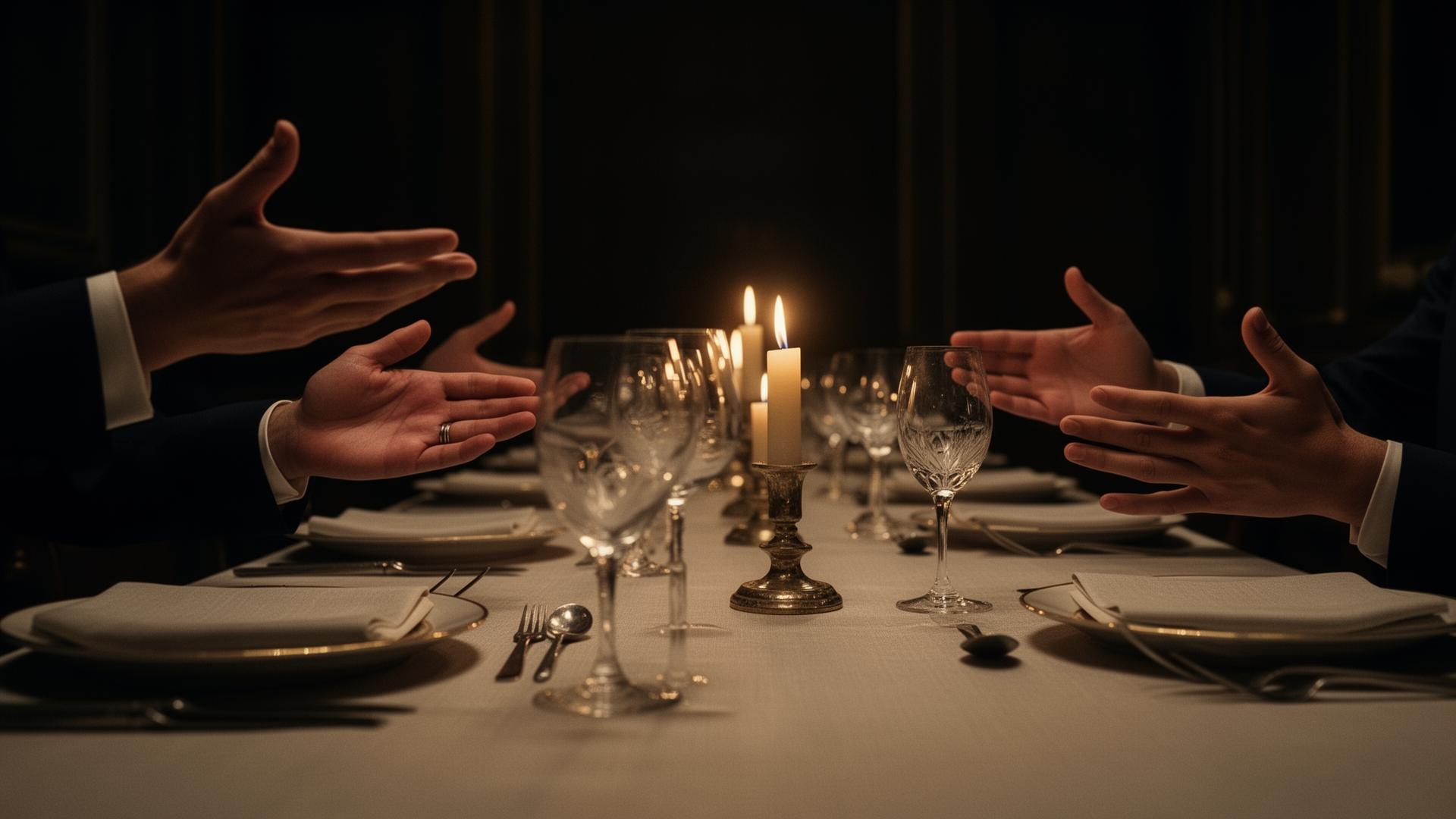
A reservation implies availability. Time slots. Turnover. Access within a system. Private dining removes the system entirely. There is no queue. No algorithm. No optimized seating chart. Only a curated convergence of people, place, and timing.
This is why the language is shifting — quietly — from reservation to invitation. Because the experience is no longer about securing a table. It’s about being considered for the room.
The Return of the Salon
What we’re seeing now isn’t new. It’s a return. Historically, the most influential conversations didn’t happen in restaurants. They happened in salons — private gatherings where chefs, artists, thinkers, and patrons occupied the same space without hierarchy. Food was not the centerpiece. It was the medium.
Modern private dining experiences are rediscovering this format — but with a contemporary lens. More refined, more intentional, and often more discreet. The guest list matters as much as the menu. Sometimes more.
Intimacy as Luxury
Scale has long been mistaken for significance. Larger rooms. More guests. Higher volume. But intimacy creates something scale cannot: presence.
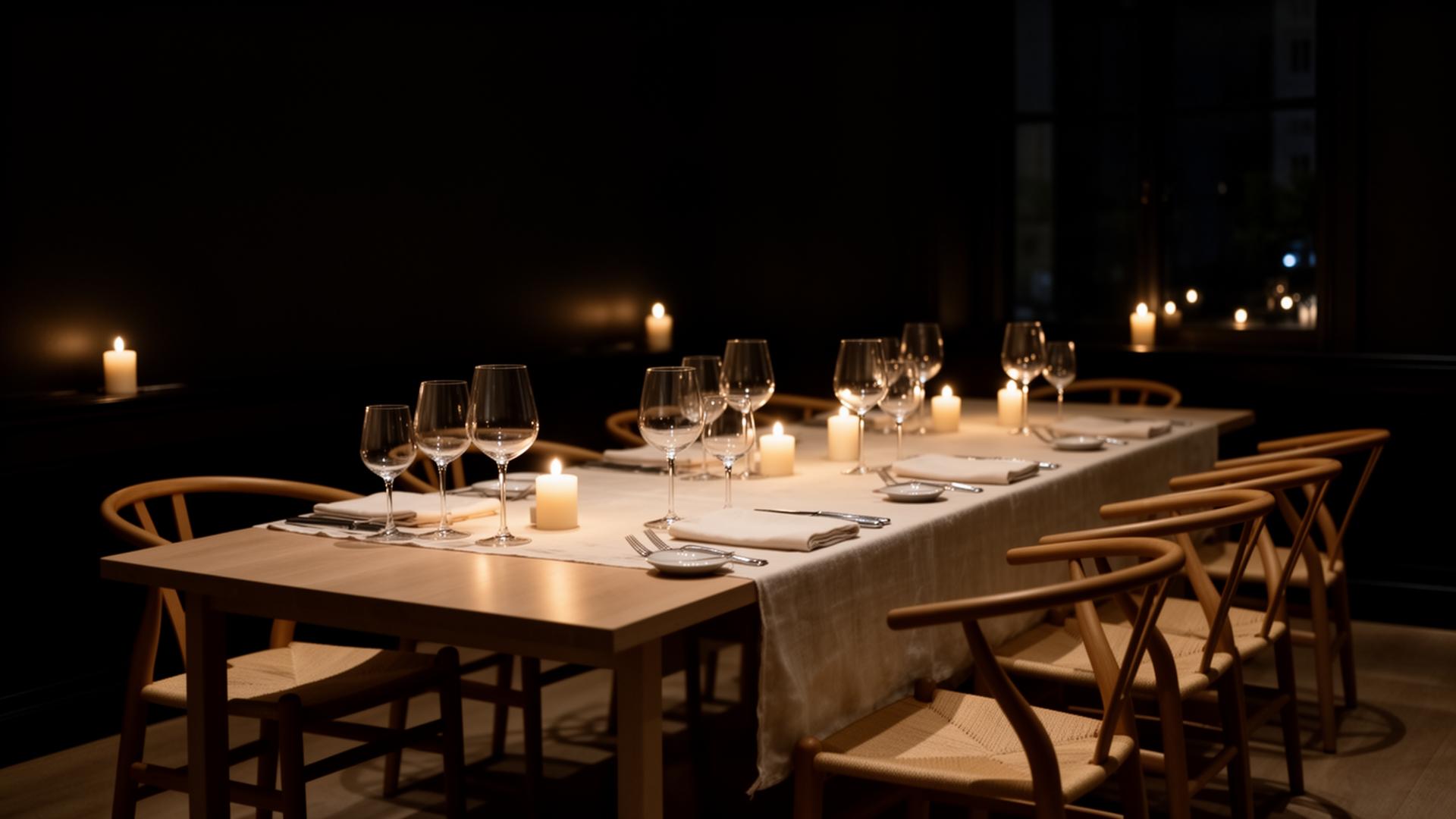
When there are twelve seats instead of one hundred, conversations deepen. Time slows. Details become visible. There is no anonymity in a smaller room. And that is precisely the point.
The most compelling supper clubs emerging today understand this. They are not trying to reach everyone. They are trying to reach the right people — at the right moment — in the right environment.
The Unspoken Layer
What makes private dining powerful isn’t just what is served. It’s what is unspoken. The quiet acknowledgment between guests that they are part of something limited. The absence of documentation. The understanding that the experience exists fully in the moment — and nowhere else.
In an era where everything is shared, archived, and optimized for visibility, this kind of impermanence becomes rare. And therefore valuable.
Dining as Environment
The next evolution of dining is not culinary. It is spatial. The room matters. The light matters. The way guests arrive, move, and interact matters. A meal is no longer confined to the plate. It is designed across sound, texture, sequence, and atmosphere.
This is where the distinction becomes clear: a restaurant serves food. A private dining experience orchestrates a moment.
Where This Is Going
As luxury continues to shift toward privacy and intention, we will see fewer open formats and more controlled environments. Fewer bookings. More invitations. Fewer transactions. More alignment.
The future of dining will not be defined by who can get in. But by who is already inside.
Some experiences are not meant to be found. SZNS Group continues to curate private dining environments where alignment, intimacy, and intention define the room.
→ Explore Dorisa